From QR Codes to Quests
xamoom started as a CMS. Today, it powers interactive adventures. Here’s how it quietly became a game engine.
Introduction
At first glance, xamoom looks like a classic content management system. You create pages, link them to QR codes, and deliver information to users at the right place and time.
But something interesting has been happening over the years.
Projects became more interactive. Content became more dynamic. And what started as simple mobile pages slowly evolved into something else entirely: a system for creating real-world experiences.
Or put differently: xamoom didn’t just stay a CMS. It quietly became a game engine for the real world.
From Static Content to Interactive Journeys
In the early days, the goal was clear: deliver relevant content based on location. QR codes, NFC tags, and beacons connected physical places with digital information.
And that alone was powerful. As described in many of our projects, delivering the right content at the right place and time is what creates meaningful digital experiences.
But users didn’t just want to read. They wanted to explore.
This shift is visible in projects like Blaubeuren Tells Its Story, where visitors don’t passively consume information - they follow narratives through a city. Or in the Geopark Karawanken, where digital guides turn landscapes into interactive learning environments.
The pattern is clear: content becomes a journey.
The Missing Layer: Interaction Logic
What turns a collection of pages into a game?
Not graphics. Not even storytelling alone.
It’s logic.
- What happens after a scan?
- Which content is shown next?
- How does the experience adapt to the user?
- What triggers progression?
xamoom already had the building blocks:
- Spots as real-world anchors
- Tags and conditional content for personalization
- Multiple location triggers (QR, NFC, GPS)
- Centralized content control across all touchpoints
Put together, these features don’t just manage content -- they define behavior.
And behavior is what games are made of.

Real-World Examples: When Content Becomes Play
You can see this transformation in multiple xamoom use cases.
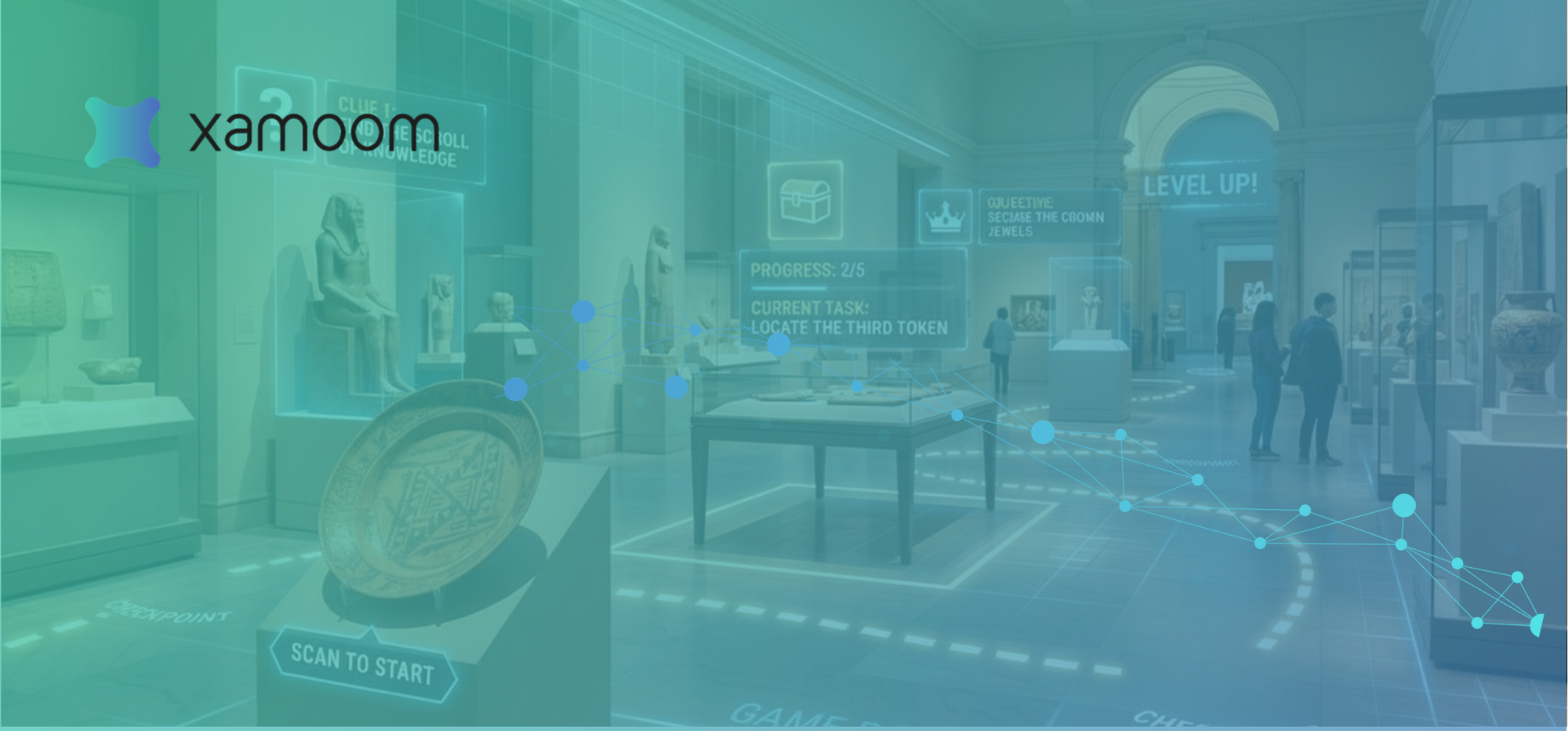
In the Carinthia Museum, visitors are guided through exhibitions with interactive elements, audio, and storytelling. The experience adapts based on where they are and what they engage with.
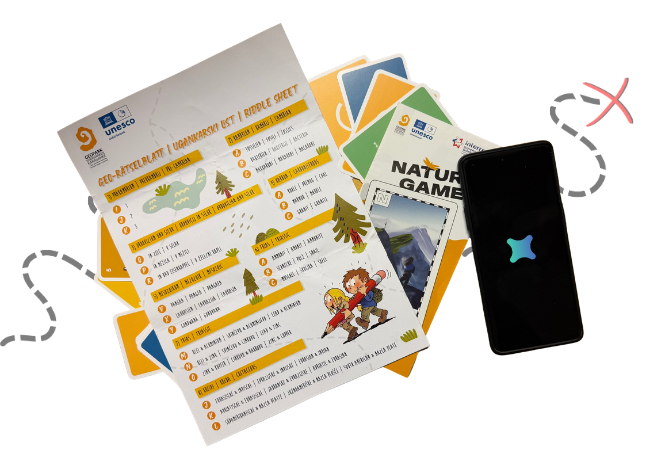
In family-focused experiences like scavenger hunts, the system becomes even more explicit. Users follow clues, unlock new content, and progress step by step -- turning a physical environment into a playable space.
We explored this concept earlier in our post on interactive scavenger hunts, where simple technologies like QR and NFC become the foundation for engaging, game-like experiences.
And now, with wunder.quest, this idea reaches its logical conclusion.
WunderQuest: The Game Engine Revealed
WunderQuest makes something visible that has been part of xamoom all along.
Instead of building a game from scratch, it uses the existing infrastructure to generate interactive adventures in minutes:
- Stories guide the experience
- Clues structure progression
- Locations become checkpoints
- Content adapts dynamically
What once required hours of planning -- designing riddles, structuring a flow, preparing materials—now happens instantly.
The key insight?
The “game” is not an app. It’s the combination of content, context, and logic.
And that’s exactly what xamoom provides.
Why This Matters
This shift changes how we think about digital experiences.
We’re no longer building apps or pages. We’re designing systems of interaction.
For tourism, this means turning destinations into adventures. For museums, it means transforming visitors into participants. For families, it means bringing stories into their living rooms.
And for creators and organizations, it opens up entirely new possibilities -- without the need for complex development.
Conclusion
xamoom didn’t set out to become a game engine.
But by focusing on flexibility, context, and ease of use, it evolved into exactly that: a platform where content doesn’t just inform -- it engages, guides, and plays.
From QR codes to quests, the journey has been gradual. Almost invisible.
But once you see it, it’s hard to unsee.
Ready to turn your content into an experience?
Start building with xamoom -- and discover what happens when information becomes interaction.
Get started today
Discover how easily you can create digital tours, guides & games — in minutes.
