From pingeb.org to xamoom: a yellow look back and a multifaceted future
What began with yellow stickers in Klagenfurt is now a platform for digital experiences in the real world.
Introduction
Sometimes the future starts very small. With a yellow sticker. With a QR code. With an NFC tag. And with an idea that sounded a little crazy at the time: What if literature did not only happen in books, on stage, or in archives — but right in the middle of the city?
For the anniversary of the 50th Days of German-Language Literature, we are not only looking back at a remarkable literary event in Klagenfurt. We are also looking back at our own beginnings. Because before xamoom became xamoom, there was pingeb.org.
And pingeb.org was yellow. Very yellow.
Literature in public space
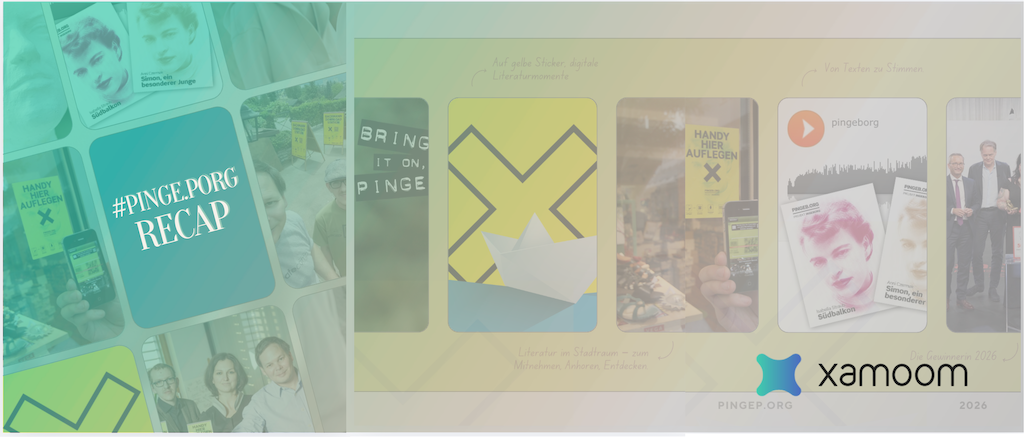
Project Ingeborg started in Klagenfurt in 2012 as a net culture project. The idea: art and literature should become discoverable where people already are — at bus stops, in cafés, in bars, in shops, on public squares, and in many other places across the city. Through yellow stickers with QR codes and NFC tags, passers-by could discover digital content directly on their smartphones.
What sounds almost obvious today was a small experiment with a big impact back then. For a moment, Klagenfurt became a virtual library. Seventy eye-catching stickers made public-domain e-books accessible at 70 different locations. Later, the idea evolved into a free discovery platform for artists from Carinthia — from literature to music, from text to sound.
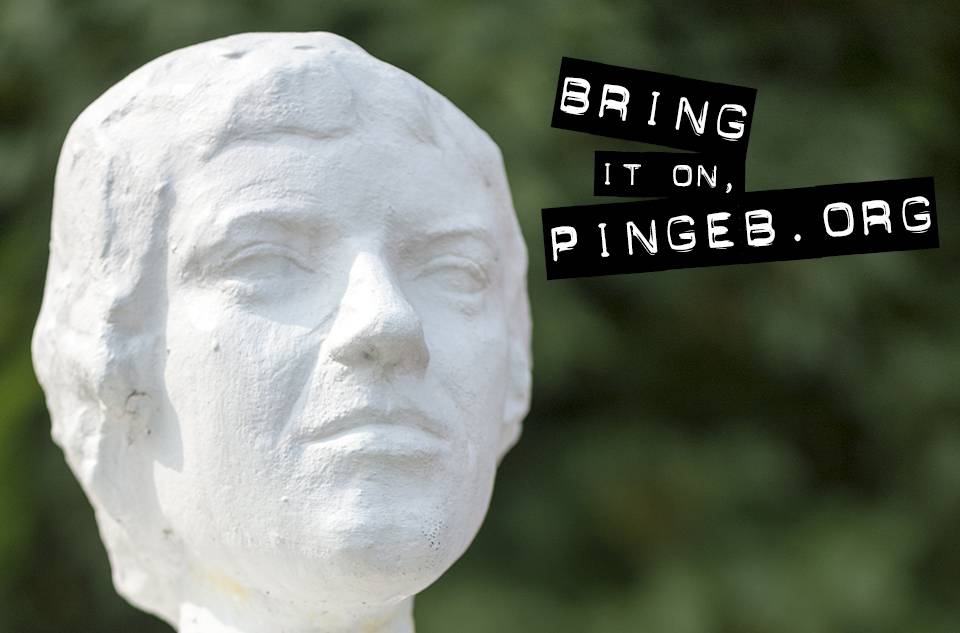
The name, of course, was no coincidence. Project Ingeborg was a tribute to Ingeborg Bachmann. The timing around the Days of German-Language Literature was also intentional: exactly when literature becomes especially visible in Klagenfurt, it was meant to appear in public space in a new way as well.
The yellow thread
pingeb.org was never just a website. It was an invitation: Look closer. Scan. Discover. Listen in. Read on.
This small moment between a physical place and digital content became our starting point. Suddenly, it was clear: places can tell more than fits on a sign. A sticker can open a book. A bus stop can become a stage. A shop window can make music, literature, or art accessible.
This exact idea later became xamoom. In 2014, the cultural project turned into a start-up — with the goal of making the joyful discovery of art, culture, and information possible not only in Klagenfurt, but in many other places as well.
From cultural technique to technology
With xamoom, the yellow experiment became a platform: a content management system for real places. Content can be created, managed, and delivered centrally via QR codes, NFC, GPS, iBeacons, or mobile web portals — without every project having to develop its own app from scratch.
The core idea has remained the same to this day: the right story in the right place, at the right time, on the device people already have in their hands.
What began with literature became museum guides, city tours, audio walks, tourism projects, interactive trails, and digital cultural formats. Today, we describe xamoom as a platform for digital experiences in real places — from museum guides and city tours to audio walks and interactive quests.
And today? It is becoming more playful.
Perhaps the most exciting development of recent years is this: digital content no longer only informs. It guides, reacts, asks questions, rewards — and plays.
QR codes become quests. Stations become chapters. A tour becomes a story that unfolds step by step. This is exactly where new formats such as wunder.quest, storyGO oder Behold.
With wunder.quest, real places become interactive adventures: players scan codes, solve riddles, and move through a story step by step — directly in the mobile web, without downloading an app.
And that shows how far the journey has come since the first yellow stickers. xamoom was never meant to be just a QR code CMS. Through flexibility, context, and ease of use, it has become a platform where content does not only inform, but activates, accompanies, and becomes part of playful real-world experiences.
Back to Klagenfurt
Every year, the Bachmann Prize brings something to Klagenfurt that is hard to explain and easy to feel: attention for language. For texts. For debate. For authors who suddenly reach a large audience over the course of just a few days.
In 2026, this feeling was especially strong. The 50th Days of German-Language Literature marked a major anniversary — and the year also coincided with the 100th birthday of Ingeborg Bachmann. Fourteen authors read in Klagenfurt for the Ingeborg Bachmann Prize and five further awards.
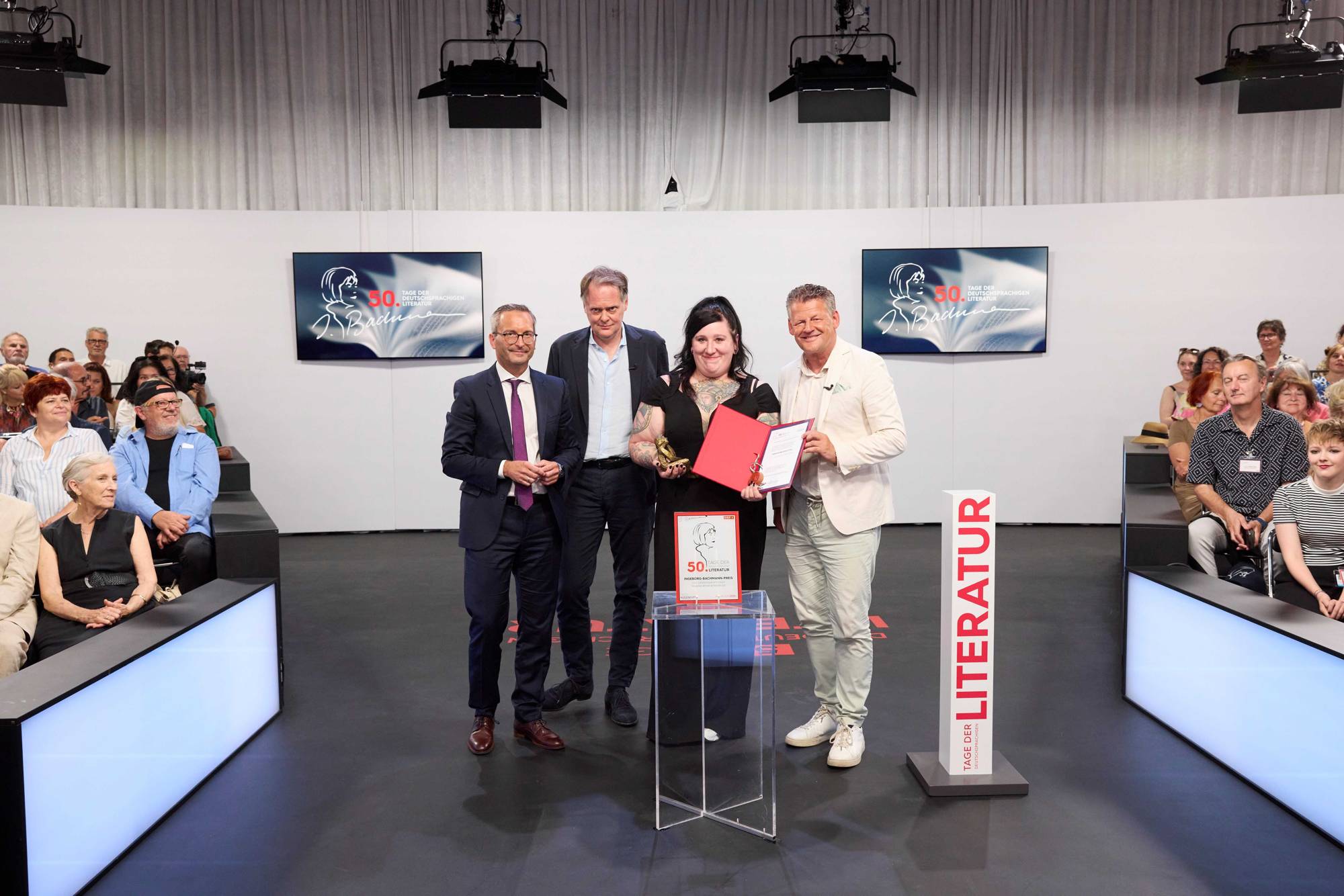
The Ingeborg Bachmann Prize 2026 went to Lena Schätte for her text “Was wir tragen”. She also received the BKS Bank Audience Award and the “Festival Writer” award of the Carinthischer Sommer.
We warmly congratulate Lena Schätte — and all award winners of this year’s Days of German-Language Literature.
A look back. And one ahead.
For us, this anniversary is therefore more than an occasion for congratulations. It is also a moment to say thank you: to pingeb.org, to the people who made this project possible, to the artists who contributed content, and to everyone who once saw a yellow sticker and curiously pulled out their smartphone.
The yellow sticker was never just a marker. It was a promise: there is something to discover here.
That promise still guides us today — in xamoom, in wunder.quest, in xamoom.play, in storyGO, in Behold, and in all the projects that bring digital content back to where it has the greatest impact: into the real world.
From pingeb.org to xamoom, it has been quite a journey.
And perhaps that is exactly why it still feels a little like the beginning.
Get started today
Discover how easily you can create digital tours, guides & games — in minutes.
